The first time you sit at a poker table, whether felt or digital, you realize something quickly: nobody cares how confident you look. The math cares. The river card cares. And the guy three seats over who has been quiet for forty minutes cares. iGaming is a strange beast because it feels social, looks glamorous, and is mathematically brutal. That tension is exactly why it has become a multi-billion dollar industry that keeps pulling people in. If you want to enjoy it without getting drained, you need to understand both sides of that coin.
People lump all iGaming together, but casino table games, slots, and poker are almost completely different animals. Treating them the same is the fastest way to lose money in ways you did not expect.
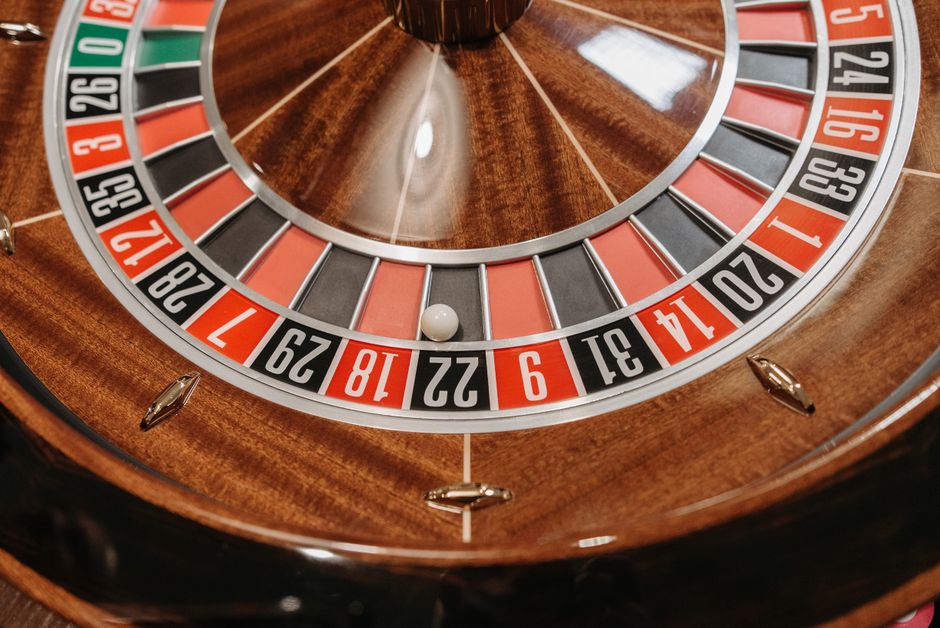
Table games like blackjack, roulette, and baccarat come with published house edges that barely move. A standard blackjack game with decent rules sits around 0.5 percent house edge if you play basic strategy. European roulette is 2.7 percent. American roulette, with that extra double-zero pocket, jumps to 5.26 percent. That single extra pocket roughly doubles the house advantage, and it is the single easiest mistake a casual player makes.
Slots are a different psychological experience. There is no decision-making in most modern video slots, just variations in volatility. A high-volatility slot like a Megaways title might pay out 96.5 percent RTP on paper, but that number only holds over millions of spins. In a two-hour session you could easily hit 40 percent or 180 percent of your buy-in. Variable ratio reinforcement, the same mechanism that makes social media sticky, is what makes slots sticky.
Poker is the only one of the three where you can have a genuine long-term edge over weaker players. But that edge does not come from luck. It comes from hand selection, position, bet sizing, and reading the player types across from you. A good player at a soft table can win 5 to 10 big blinds per hour. A bad player loses at a far higher rate than they would at roulette, because they are not just playing against the house, they are playing against opponents who are actively exploiting their leaks.
Every regulated casino publishes RTP figures, but they are subtle. A 96 percent RTP slot means, over an enormous sample, you get 96 back for every 100 wagered. That is the theoretical average. It does not mean you lose 4 percent per hour.
What actually determines your experience is variance. Consider two slots both with 96 percent RTP:
If you sit down at Slot B with a 100-dollar balance and 1-dollar spins, you may be bankrupt in twenty minutes and never see a feature. Slot A might keep you alive for hours but rarely give you a story to tell. Neither is better. They just suit different bankroll sizes and temperaments.
Poker has variance too, and it is worse than beginners expect. A winning player can easily lose 20 buy-ins in a downswing that lasts 30,000 hands. This is why bankroll management is not optional. The general rule is 20 buy-ins for cash games, 100 buy-ins for tournaments. If you cannot stomach that, you are playing with scared money and will make bad decisions under pressure.
The single most useful skill in iGaming is not reading a board or counting cards. It is deciding what you are willing to lose before you start, and treating that number as the price of entertainment, not an investment. This is explained well on slot dana.
If you take poker seriously, you need to unlearn half of what slots and casino games taught you. Table game math is fixed. Poker math is adversary-dependent.
The best starting point is a tight-aggressive style. Play fewer hands from early position, more from the button. Raise your strong hands, fold the trash, and avoid limping. The pattern that separates winners from losers at low stakes is boringly simple: value bet your strong hands, fold to aggression when you hold a marginal holding, bluff less than you think you should, and pick your spots at tables with at least one obvious fish.
A profitable cash game habit is to ask, on every street, what range your opponent likely holds and what they want you to do. Most low-stakes players call too much and bluff too rarely. If you exploit those two tendencies alone, you are already ahead of the field.
Platform quality is not marketing fluff. A slow cashier, delayed withdrawals, or a license in a questionable jurisdiction can turn a winning session into a support-ticket nightmare.
Look for these signals:
One thing new players miss: bonuses are often traps. A 100 percent match bonus with 40x wagering and a max cashout cap can take weeks to clear and cost you more than it pays. Sometimes the best bonus is no bonus.
iGaming is not a puzzle to solve or a system to beat. It is an environment. The smart player accepts that slots and table games are entertainment with a fixed cost, and treats poker as a skill game where the work is real and the rewards are earned, not handed out. The people who survive in this space are the ones who understand that discipline beats excitement every single time. The math does not care about your feelings, but you can absolutely learn to work with it. That is the difference between a bad habit and a genuinely interesting pastime.

Twenty years ago, if you told someone you made a living playing poker or betting on sports, they’d assume you had a...

Curated summaries and digests on your shelf.
